

The Mighty Tomato: Far More Than a Summer Favorite
A closer look at one of the most beloved ingredients in the kitchen — and why it earns its place in every Alab SF meal.
Make it stand out
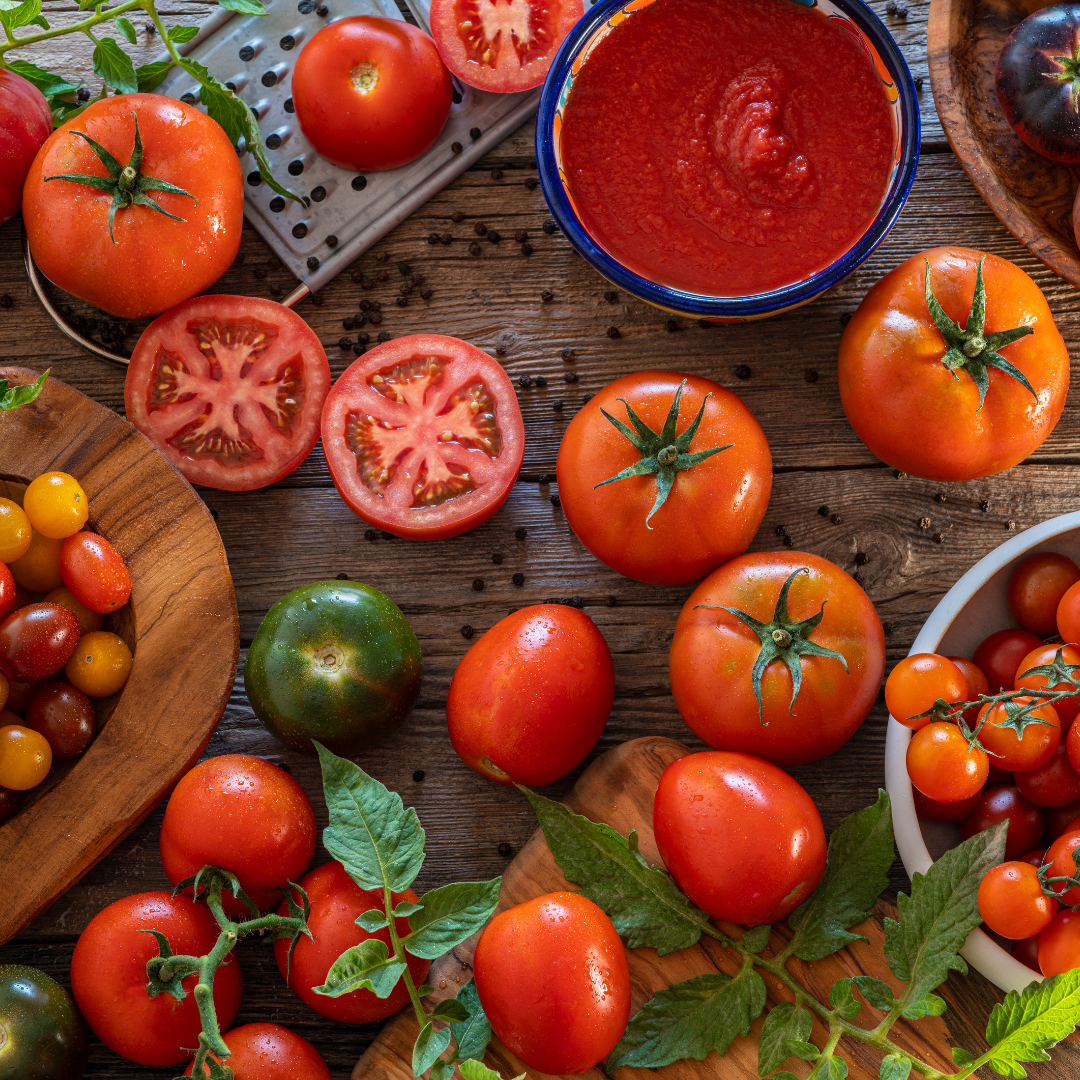
Walk through any farmers market in the Bay Area in late summer and you can’t miss them — fat heirlooms in every shade of red, gold, and deep purple, stacked in careful piles, faintly warm from the sun. The tomato doesn’t announce itself the way exotic superfoods do. It doesn’t come with a trending hashtag or a clinical-sounding benefit claim. It just shows up, quietly, in nearly every cuisine on the planet — and somehow makes everything taste better.
That quiet confidence is worth paying attention to.
Where the Tomato Came From (and How It Took Over the World)
The tomato originated in western South America, cultivated by the Aztecs and Incas long before European explorers brought it back across the Atlantic in the 16th century. At first, Europeans were suspicious — it’s in the nightshade family, after all — and many considered it purely ornamental. It took another couple of centuries before the tomato earned its place at the table in Italy, where it transformed regional cooking so completely that it’s now hard to imagine Italian cuisine without it.
“The tomato is one of those rare ingredients that bridges technique and simplicity — raw in a salad, slow-roasted into a sauce, charred whole over flame. Each method reveals something different.”
Today, it’s one of the most widely grown crops on earth, and its culinary range is almost unmatched. Slow-roasted, it deepens into something almost meaty and sweet. Raw, it offers brightness and acidity. Pureed into a sauce, it becomes the backbone of cuisines from Mexico to Morocco to Korea. It plays well with fat, heat, acid, and salt, which is exactly why professional kitchens rely on it so heavily.
Pro tip: When choosing tomatoes, look for ones that feel heavy for their size and smell faintly floral at the stem end. A tomato that doesn’t smell like anything usually won’t taste like much either. For cooking, Roma and San Marzano varieties are ideal for their lower moisture. For eating raw, heirloom varieties from local farms are worth seeking out.
What Tomatoes Actually Do for You
Tomatoes often get overshadowed in the “superfood” conversation, but they’ve been quietly delivering serious nutritional value for centuries. The headline nutrient is lycopene — a carotenoid antioxidant that gives tomatoes their red color and has been associated in research with reduced risk of certain cancers and cardiovascular disease. Notably, lycopene becomes more bioavailable when tomatoes are cooked, especially when combined with a healthy fat. A simple tomato sauce with olive oil is, from a nutrient standpoint, one of the smartest things you can eat.
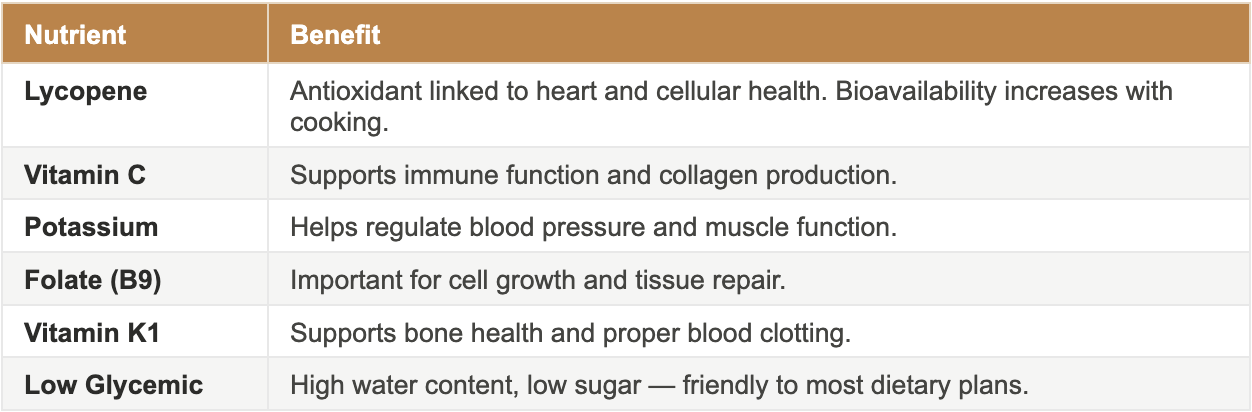
Beyond individual nutrients, tomatoes offer quercetin and chlorogenic acid — plant compounds that support anti-inflammatory pathways. For people managing blood sugar, their naturally low glycemic load makes them a reliable staple. And for anyone eating gluten-free or dairy-free, tomato-based dishes provide richness and depth without relying on the ingredients often used to add body and flavor in conventional cooking.
Why Tomatoes Show Up in Our Meals the Way They Do
At Alab SF, tomatoes aren’t an afterthought or a garnish — they’re a working ingredient. Because our meals are built around clean, organic produce and designed to be gluten-free and dairy-free, we lean on ingredients like the tomato for exactly the qualities that make it so universally loved: natural acidity that brightens a dish, slow-cooked sweetness that creates depth, and a nutritional profile that genuinely contributes to a balanced meal.
Whether it shows up as a roasted base in a braised protein dish, folded into a grain bowl, or as the foundation of a sauce that carries a whole meal, the tomato earns its place every time. It’s the kind of ingredient that doesn’t need to be dressed up — it just needs to be treated well, sourced well, and cooked with intention.
That’s the approach behind every meal we deliver. Not complicated, not trendy — just real ingredients, handled with care.
Come eat well with us.
We’d love for you to be part of the Alab SF community — where every delivery is a reminder that clean, nourishing food doesn’t have to come at the expense of flavor, convenience, or your week. Chef-crafted, organic, and ready when you are.
Explore This Week’s Menu → alabsf.net
