

The Humble Cucumber: Why It Earns a Spot on Every Plate
Cool, crisp, and wildly underrated. Here's what makes this everyday ingredient anything but ordinary.
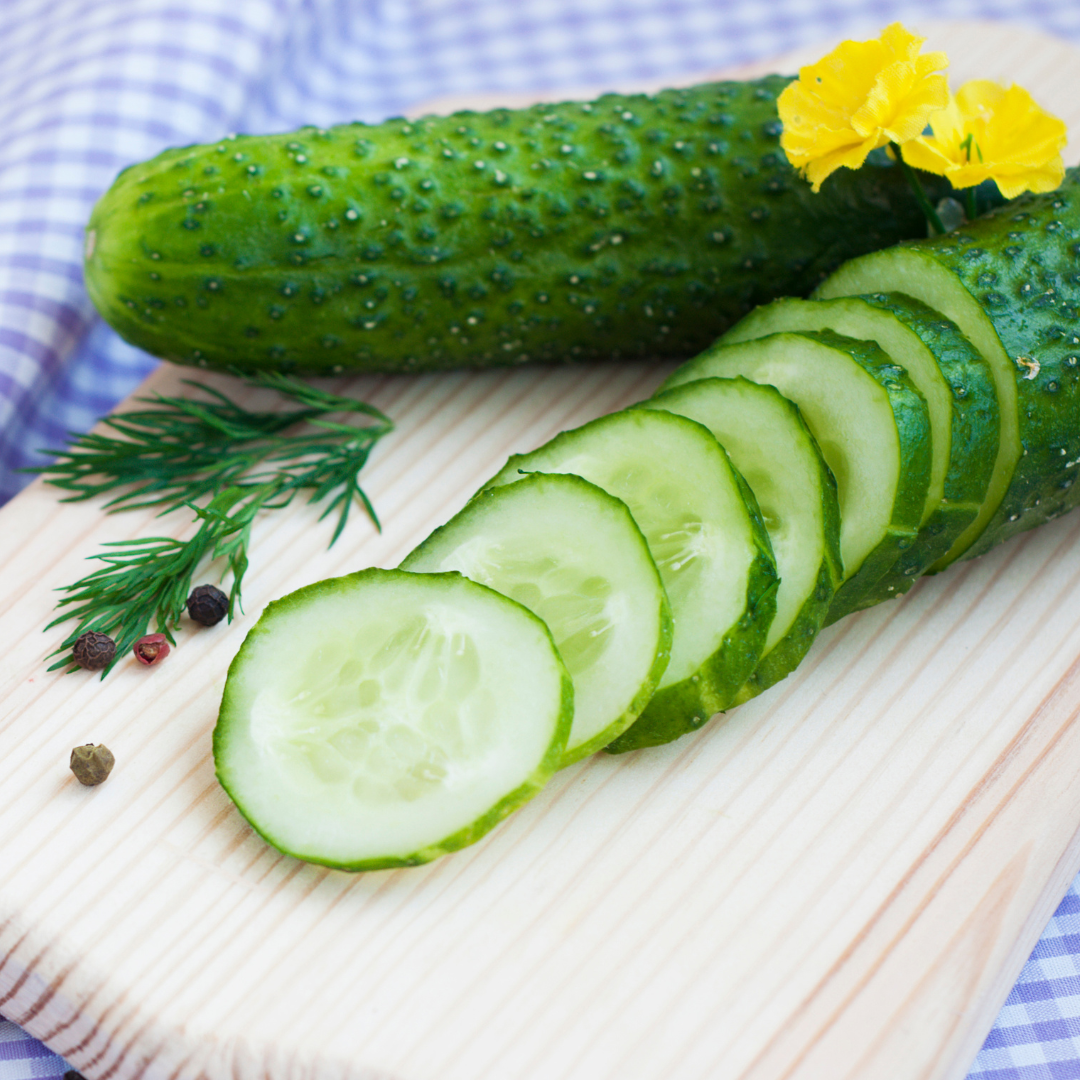
Some ingredients are loud. Cucumber isn't. It's the quiet one at the table — the one that cools down a spicy dish, adds crunch to a salad, or slips into a glass of water and makes the whole thing feel like self-care. But don't mistake restraint for simplicity. Behind that pale green skin is a lot going on.
At Alab SF, we choose ingredients that earn their place — not just because they look good on a plate, but because they do something meaningful once you eat them. Beets are one of the clearest examples of that philosophy in action. Their deep crimson color makes food feel alive and intentional. Their natural earthiness and sweetness add depth that plays beautifully against grains, greens, citrus, and herbs. And underneath that familiar flavor, they carry a nutritional profile that genuinely surprises people.
This is what clean, thoughtful cooking looks like: an ingredient that brings flavor, color, nourishment, and versatility — all at once.
A 3,000-Year-Old Kitchen Staple
Cucumbers have been cultivated for at least 3,000 years, first in South Asia — likely ancient India — before spreading west through the Middle East and into ancient Greece and Rome. By the time cucumbers made it to Europe, they were already a fixture: grown in the royal gardens of Charlemagne, favored by Emperor Tiberius, and traveling with explorers across continents.
Today, cucumbers show up across almost every culinary tradition on the planet. In Indian cooking, they're blended into cool raita to balance bold curries. Japanese sunomono is a lightly pickled cucumber salad — vinegary, sweet, impossibly refreshing. Greek tzatziki is built around them. Korean oi-muchim tosses them with gochugaru and sesame for a punchy banchan. And of course, the classic American deli pickle owes its entire identity to this vegetable.
What makes cucumber so universally loved across cultures is exactly its neutrality — it absorbs the flavor of whatever it's paired with while adding texture and hydration that other vegetables simply can't replicate. It's an ingredient that listens well.
Lighter Than It Looks. Harder Working Than You'd Think.
Cucumber is about 96% water, which puts it in rare company as one of the most hydrating whole foods you can eat. But hydration is just where the story starts. For something so light, cucumber carries a surprisingly useful nutritional profile — especially if you're eating for sustained energy, clean digestion, and long-term wellness.
Key nutrients at a glance:
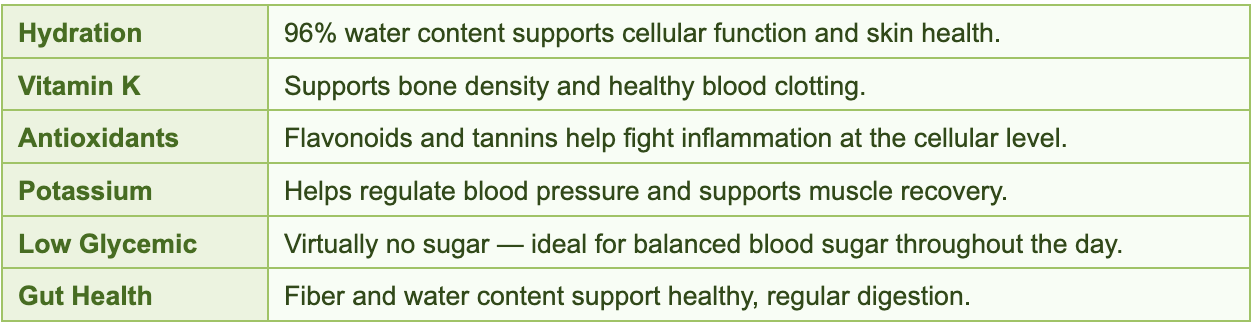
For anyone watching their macros or eating for performance, cucumber is a near-perfect addition: under 20 calories per cup, no fat, no cholesterol, and enough micronutrient density to make it worth including consistently — not just as a garnish, but as a deliberate part of a balanced plate.

How Cucumber Fits Into the Alab SF Philosophy
At Alab SF, ingredients like cucumber aren't afterthoughts. When we build our weekly menus, every component earns its place — not just for flavor, but for what it brings nutritionally and how it interacts with everything else on the plate. Cucumber's natural cooling quality makes it a smart pairing for bolder, spice-forward proteins. Its texture adds contrast in dishes where you want something bright and crisp without adding heaviness.
And because we source organically, we can actually leave that skin on — which means you're getting more of what makes cucumber worth eating in the first place. That's the difference between cooking with organic produce and just cooking.
It's also worth naming something about convenience: most of the benefits people read about in ingredients like cucumber never actually make it to their plates — because weeknight cooking often means reaching for whatever is fastest, not whatever is most nourishing. Ready-to-eat meals that are still built from real, whole ingredients close that gap. You get the nutrition without rearranging your schedule to get it.
JOIN THE COMMUNITY
We can't wait to welcome you to the Alab SF table.
Every meal we deliver is a chance to eat something that was made with intention — chef-crafted, organically sourced, and built to fit the life you're actually living. Whether you're meal-prepping for a busy week, eating around dietary needs, or just done settling for food that doesn't feel good, we made this for you. Come be part of it.
→ Visit Alabsf.net to explore this week's menu and get started.
This post is part of our Ingredient Spotlight series — a recurring look at the whole foods behind our meals, where they come from, and why they belong on your plate. More ingredients coming soon.
