

Peas: Small but Mighty
“The humble green pea has been feeding people for thousands of years — and it turns out, it’s been ahead of its time the whole while.”
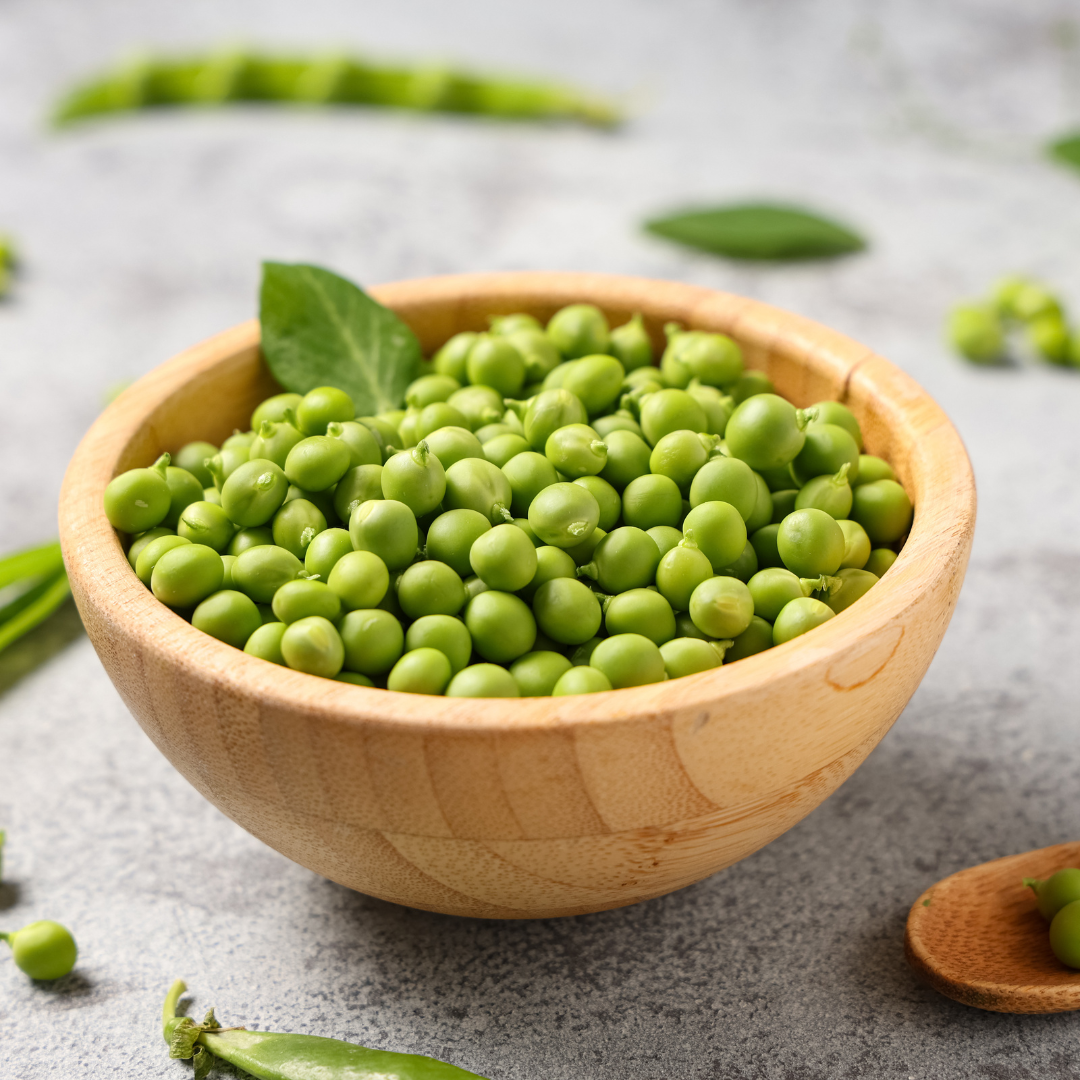
A little vegetable with a long history
Peas are one of the oldest cultivated crops on earth. Archaeological evidence traces them back over 10,000 years to the Near East and Central Asia, where they were among the first plants humans intentionally grew for food. By the Middle Ages, dried peas were a dietary staple across Europe — filling, affordable, and easy to store through winter.
The garden pea (Pisum sativum) arrived in its sweeter, tender fresh form much later, becoming fashionable in 17th-century France where it was considered a delicacy at the court of Louis XIV. From there, peas spread into kitchens across the world — simmered into Indian dals and curries, tossed into Japanese rice dishes, stirred through Italian risottos, and blended into spring soups across the Mediterranean.
What makes peas so enduring in the kitchen is their versatility. Fresh, frozen, puréed, or whole — they bring a natural sweetness and a pop of color to almost any dish. They pair beautifully with herbs like mint and tarragon, hold their own alongside heartier proteins, and soften into sauces and stews without losing their flavor.
“From ancient fields to modern kitchens, peas have always known how to show up when it matters.”
More going on inside that little pod than you’d think
For such a small vegetable, peas carry a surprisingly strong nutritional profile. One cup of cooked green peas delivers around 8–9 grams of plant-based protein — making them a genuinely useful protein source, not just a garnish. They’re also high in fiber, which supports healthy digestion and helps keep blood sugar levels steady throughout the day.
At a glance — per 1 cup cooked:
8–9g Protein — Plant-based, per cup cooked
8g Dietary fiber — Supports healthy digestion
~25% Daily Vitamin C — Immune support
Low GI Glycemic index — Steady, sustained energy release
Peas are also packed with essential vitamins and minerals. They’re a good source of Vitamin K (important for bone health), Vitamin C (immunity and skin), B vitamins including folate (especially relevant for those who are pregnant or planning to be), and minerals like iron, zinc, and magnesium.
They’re naturally gluten-free, low in fat, and — perhaps most importantly for people who want to eat well without overthinking it — they’re a whole food. Nothing processed, nothing stripped down. Just a dense little package of nutrients the way nature put them together.
For anyone tracking macros or managing blood sugar, it’s also worth noting that peas have a low glycemic index. They digest slowly, providing a more sustained energy release rather than a quick spike and crash — which is part of why they’ve been a staple in endurance-focused diets and clean eating plans alike.
Why we keep coming back to this ingredient
At Alab SF, we think about every ingredient intentionally. When peas appear in our meals, they’re not there as filler — they’re there because they earn their place. Their plant-based protein content helps us build meals that are genuinely nourishing, their natural sweetness adds depth without the need for added sugars, and their compatibility with gluten-free, dairy-free cooking makes them a natural fit for how we cook.
Whether we’re working them into a warm grain bowl, folding them into a protein-forward main, or blending them into a bright, clean sauce — peas are one of those ingredients that quietly do a lot of the heavy lifting in a well-balanced meal. The kind of vegetable that lets a dish be both light and satisfying at the same time.
That balance is exactly what we’re always chasing: food that works for your body and still makes you genuinely glad to sit down and eat it.
CLOSING NOTE
We believe that eating well shouldn’t be a compromise between convenience and quality — and ingredients like peas are a big part of how we make that real, meal after meal.
If you’re curious about what ends up on your plate when we put this kind of care into every ingredient, we’d love to have you at the table. The Alab SF community is growing, and we’d be glad to be a part of your week — with meals that are clean, crafted, and ready when you are.
